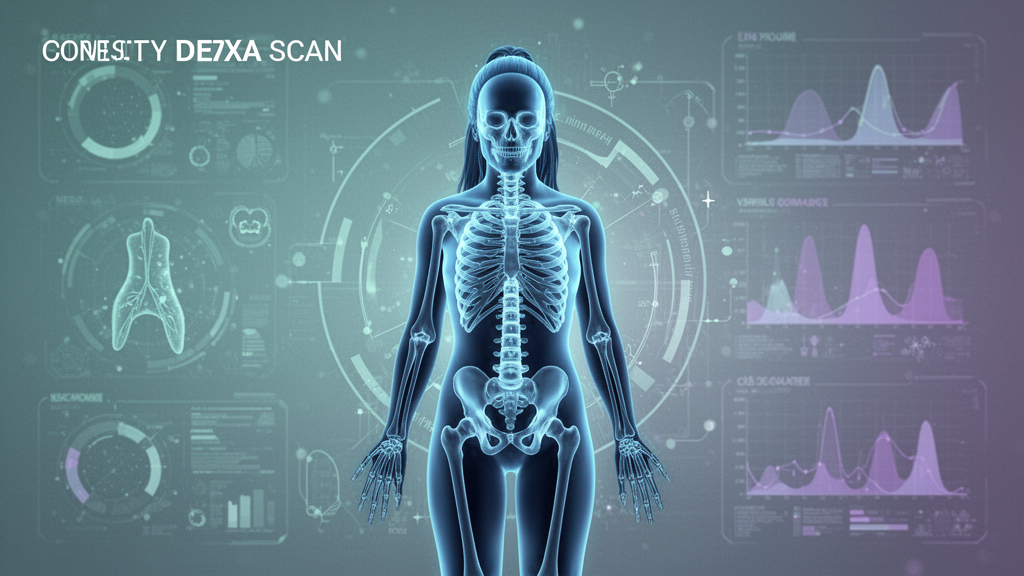
What Is a DEXA Scan and Should You Get One?
What Is a DEXA Scan?
A DEXA scan (Dual-Energy X-ray Absorptiometry) is a simple, painless medical test that measures bone mineral density (BMD). It uses two low-dose X-ray beams to precisely measure how much calcium and other minerals are packed into your bones — giving an accurate picture of your bone strength and fracture risk.
It is the gold standard test for diagnosing osteoporosis and osteopenia (reduced bone density that isn't yet at osteoporosis level), and it's far more informative than a standard X-ray for assessing bone health.
What Happens During a DEXA Scan?
A DEXA scan is quick, comfortable, and completely non-invasive. You simply lie on a padded table while a mechanical arm passes over your body. The whole procedure typically takes 10-30 minutes.
You don't need to undress — just wear comfortable, loose clothing without metal zips or clasps. No injection, no enclosed machine, no claustrophobia. You can eat and drink normally beforehand, but avoid taking calcium supplements in the 24 hours before your appointment.
The scan usually measures bone density at two key sites — the lumbar spine (lower back) and the hip — as these are the most common sites of osteoporotic fractures.
Understanding Your Results: T-Scores
Your DEXA scan results are expressed as a T-score, which compares your bone density to that of a healthy 30-year-old woman at peak bone mass.
- T-score above -1.0: Normal bone density
- T-score between -1.0 and -2.5: Osteopenia (low bone density, increased risk)
- T-score below -2.5: Osteoporosis (significantly reduced bone density)
It's important to remember that a diagnosis of osteopenia or even osteoporosis does NOT mean a fracture is inevitable. It means your risk is elevated and that action is needed — and there is a great deal you can do.
Who Should Get a DEXA Scan?
Current guidelines recommend a DEXA scan for:
- All women over 65 (as a baseline)
- Women who have gone through early menopause (before age 45)
- Women who have had a fracture after a minor bump or fall (fragility fracture)
- Women taking corticosteroids (steroids) for more than 3 months
- Women with a family history of osteoporosis, particularly a mother who fractured her hip
- Women with conditions that affect calcium absorption (such as coeliac disease or Crohn's disease)
- Women who smoke heavily or drink more than 3 units of alcohol per day
- Women with low body weight (BMI under 19)
Even if you don't fall into these categories, if you're concerned about your bone health, it's worth discussing a scan with your GP. Some women choose to pay for a private scan for peace of mind.
How to Request a DEXA Scan
In the UK, DEXA scans are available on the NHS if you meet the clinical criteria above. Your GP can refer you. Private scans are also widely available and typically cost £50-£150.
When you see your GP, use a FRAX risk calculator result (freely available online) to support your case — it estimates your 10-year fracture risk based on your age, weight, and other factors, and can help make the case for a scan.
What Happens After Your Scan?
If your results show normal bone density, your GP will advise on maintaining bone health through diet and exercise, and when to rescan (typically every 2-5 years).
If results show osteopenia or osteoporosis, treatment options will be discussed. These may include:
- Lifestyle changes — the nutrition and exercise strategies we cover in our guide
- Calcium and Vitamin D supplementation
- Hormone Replacement Therapy (HRT)
- Bisphosphonate medications (such as alendronic acid) — the most commonly prescribed drugs for osteoporosis, which slow bone loss
- Denosumab or other newer treatments for more severe cases
Don't Wait
One of the great tragedies of osteoporosis is that it is a silent disease — there are no symptoms until a bone breaks. By the time a fracture happens, significant bone loss has already occurred. A DEXA scan is the only way to know your bone density before a fracture happens.
If you're in menopause or approaching it, this is one of the most important health conversations you can have with your doctor. Knowledge is your most powerful tool.
