Understanding Night Sweats: Why They Happen and How to Stop Them
What Are Night Sweats, Exactly?
Night sweats are episodes of intense sweating during sleep — often severe enough to soak pyjamas and bedding. Unlike simply feeling warm on a hot night, menopause-related night sweats are a physiological response triggered by hormonal changes in the brain's temperature regulation centre.
They are essentially hot flashes that occur during sleep. And because they interrupt your sleep cycle, often multiple times per night, they can have a profound impact on energy levels, mood, concentration, and overall health — far beyond the inconvenience of changing damp sheets.
Why Do Night Sweats Happen During Menopause?
The root cause is declining oestrogen. The hypothalamus — the brain's internal thermostat — becomes hypersensitive to small temperature fluctuations as oestrogen levels fall. It perceives normal body temperature as dangerously high and triggers a rapid heat-dissipation response: blood vessels near the skin dilate, heart rate increases, and sweat glands activate to cool the body down.
This all happens faster than your conscious mind can process — which is why you often wake already drenched, with your heart racing, wondering what just happened.
How Common Are They?
Very. Approximately 75–85% of women experience hot flashes or night sweats during perimenopause and menopause. For many, night sweats are actually more disruptive than daytime hot flashes because of the sleep disruption they cause.
They typically begin in perimenopause (the transitional years before periods stop), peak in the first one to two years after the final period, and then gradually diminish — though some women experience them for a decade or more.
The Sleep Disruption Cycle
Night sweats and poor sleep create a vicious cycle that's important to understand and interrupt:
- Night sweats wake you up → you struggle to fall back to sleep → you sleep fewer hours
- Sleep deprivation increases cortisol → high cortisol raises core body temperature → more night sweats
- Poor sleep amplifies anxiety → anxiety is a known trigger for hot flashes → cycle continues
Breaking this cycle requires a multi-pronged approach targeting both the sweating itself and the sleep environment.
Practical Strategies to Reduce Night Sweats
Optimise Your Sleep Environment
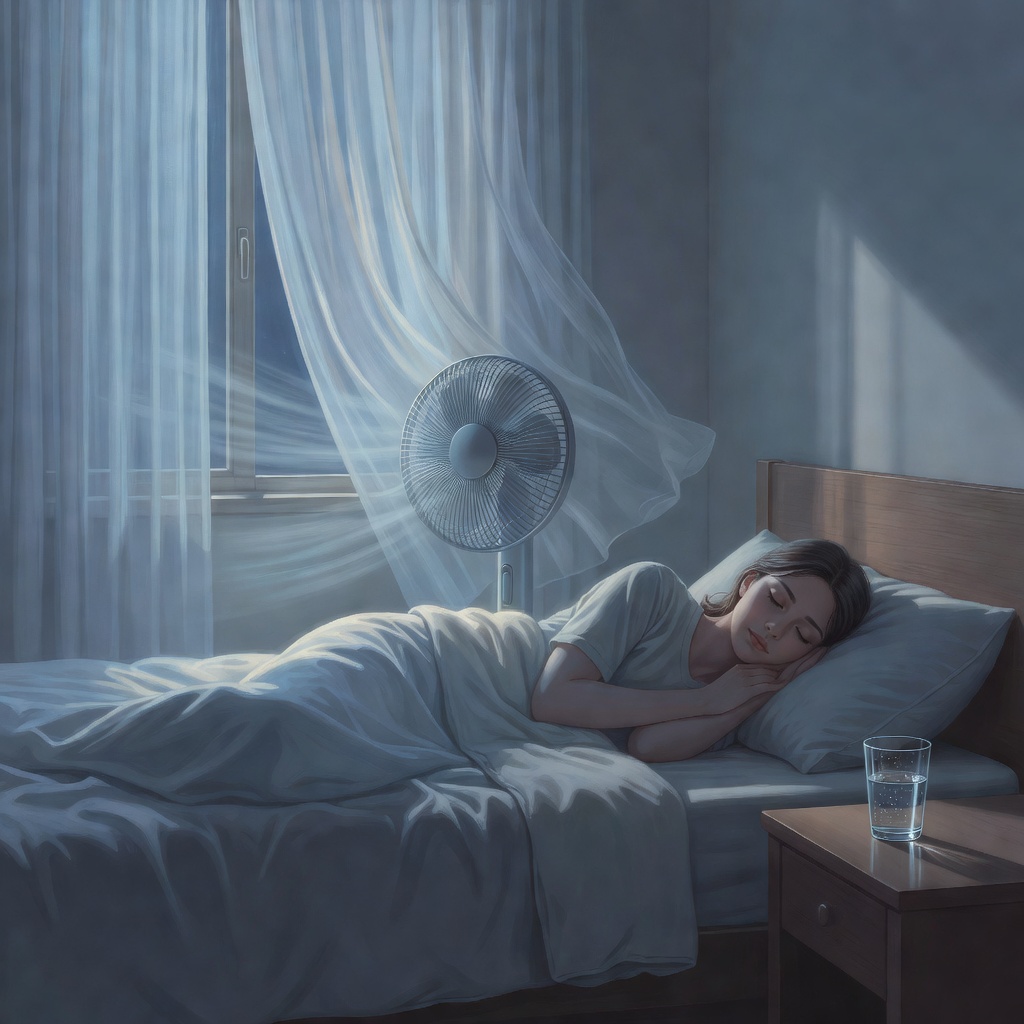
- Cool the bedroom — The optimal sleep temperature is 16–18°C (60–65°F). Use a fan, open a window, or adjust your thermostat.
- Switch to breathable bedding — Bamboo, linen, or moisture-wicking cotton sheets and duvet covers regulate temperature far better than synthetic fabrics or heavy polyester.
- Try a cooling mattress topper — Gel-infused memory foam or water-cooled toppers make a dramatic difference for many women.
- Keep water nearby — A glass of cool water by your bed lets you rehydrate and cool down quickly when a sweat wakes you, reducing recovery time before you can sleep again.
Evening Habits That Help
- Avoid alcohol — Even a single glass of wine in the evening significantly increases night sweat frequency. Alcohol dilates blood vessels and interferes with sleep architecture.
- Limit caffeine after noon — Caffeine remains in your system for 6–8 hours and raises core body temperature, exacerbating sweats.
- Avoid spicy food at dinner — Capsaicin directly triggers the same heat-response pathways involved in hot flashes.
- Take a warm (not hot) shower before bed — This counterintuitively lowers core body temperature as heat dissipates from the skin post-shower, helping you fall asleep faster.
Alcohol is one of the most reliable triggers for night sweats. Even a single drink in the evening can increase the frequency and severity of sweating episodes during sleep for many women.
Clothing and Bedtime Layers
- Wear lightweight, moisture-wicking pyjamas — bamboo and technical fabrics designed for exercise both work well.
- Sleep with a lighter duvet and a folded blanket at your feet that you can pull up if you feel cold after a sweat.
- Consider a 'split duvet' arrangement with a partner to stop sharing body heat through the night.
Mind-Body Practices for Better Sleep
- Paced breathing at bedtime — Slow, diaphragmatic breathing (in for 4 counts, out for 6) activates the parasympathetic nervous system and lowers core temperature slightly.
- Mindfulness and body scan meditation — Regular practice reduces the anxiety response to night sweats, meaning they disturb your sleep less even when they occur.
- Consistent sleep schedule — Going to bed and waking at the same time daily regulates your circadian rhythm and reduces cortisol spikes overnight.
Natural Supplements That May Help
Several supplements have evidence supporting their use for night sweats specifically:
- Black Cohosh — Most studied for hot flashes and night sweats; some women see significant improvement within four to eight weeks.
- Magnesium glycinate — Supports deeper sleep and helps regulate body temperature; 300–400mg taken at bedtime.
- Sage extract — Clinical trials show standardised sage extract can reduce sweating episodes by up to 50% in some women.
Always consult your doctor before starting any supplement, particularly if you take other medications.
When to See a Doctor
Night sweats are usually menopause-related, but they can occasionally signal other conditions — including thyroid disorders, infections, or in rare cases, other medical issues. See your GP if:
- Night sweats are severe and began suddenly
- They are accompanied by unexplained weight loss or fever
- They started well before expected perimenopause age (before 40)
- Natural approaches have not helped after 3 months of consistent effort
Hormone Replacement Therapy (HRT) is the most effective medical treatment for night sweats and is worth discussing with your doctor if quality of life is significantly affected.
You Deserve Restful Sleep
Night sweats are real, disruptive, and deserve to be taken seriously — not dismissed as something you simply have to endure. With the right combination of environmental changes, evening habits, and targeted support, most women see meaningful improvement. Start with your sleep environment tonight, and build from there.
