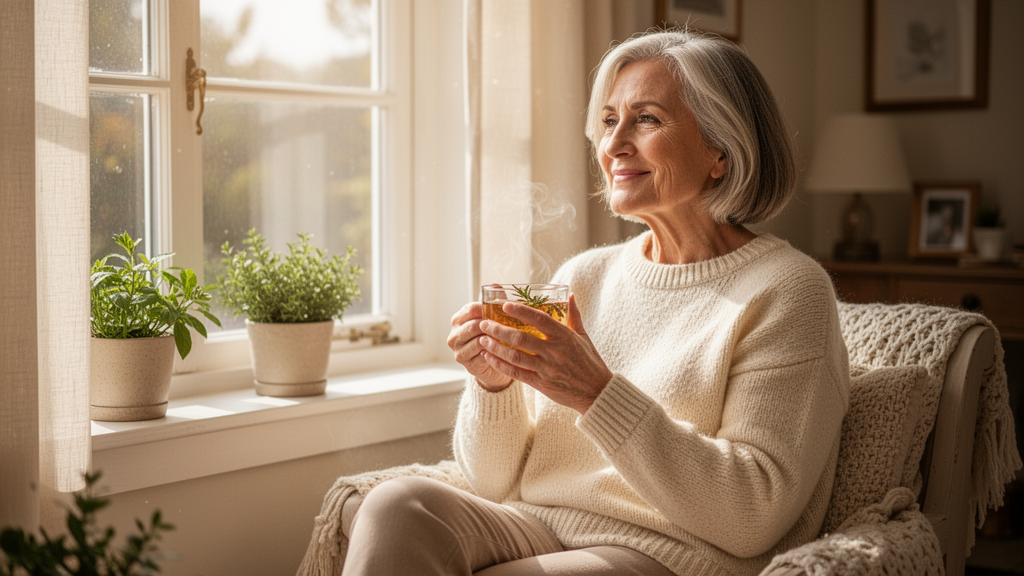
How to Relieve Hot Flashes Naturally: 10 Evidence-Based Strategies
What Causes Hot Flashes?
Hot flashes are one of the most common symptoms of menopause, affecting up to 80% of women. They occur when fluctuating oestrogen levels confuse your body's internal thermostat — the hypothalamus — causing it to trigger a sudden rush of heat, sweating, and flushing.
While hormone replacement therapy (HRT) is the most effective treatment, many women prefer to explore natural approaches first, or use them alongside medical treatment. Here are 10 evidence-based strategies that can genuinely make a difference.
1. Keep Your Core Temperature Cool
Simple as it sounds, your environment matters enormously. Keep your bedroom cool (around 18°C/65°F), layer your clothing so you can remove layers quickly, and keep a small fan nearby. Wear breathable, moisture-wicking fabrics — cotton and bamboo are your best friends.
2. Identify and Avoid Your Triggers
Common hot flash triggers include alcohol, caffeine, spicy foods, hot drinks, stress, and warm environments. Keep a symptom diary for two weeks to identify your personal pattern. Once you know your triggers, avoiding them can reduce frequency significantly.
3. Try Mindfulness-Based Stress Reduction (MBSR)
Research published in the journal Menopause found that mindfulness-based stress reduction programmes significantly reduced the bother of hot flashes — even if they didn't reduce frequency. Learning to respond calmly rather than anxiously to a hot flash can break the cycle of anticipatory anxiety that makes them worse.
4. Consider Phytoestrogens in Your Diet
Phytoestrogens are plant compounds that weakly mimic oestrogen in the body. Foods rich in phytoestrogens include soy products (tofu, edamame, soy milk), flaxseeds, chickpeas, and lentils. Studies suggest that diets rich in these foods — particularly common in Asian cultures — are associated with lower rates of hot flashes.
5. Regular Aerobic Exercise
A study from Penn State University found that physically active women reported fewer and less severe hot flashes. Aim for at least 150 minutes of moderate aerobic exercise per week — brisk walking, swimming, or cycling all count. The benefit appears to come from improved cardiovascular health and mood regulation.
6. Acupuncture
Several studies have found that acupuncture can reduce hot flash frequency and severity. A large Stanford University trial found it reduced hot flashes by around 36% in breast cancer survivors. While not a cure, it is safe and can offer meaningful relief for some women.
7. Cognitive Behavioural Therapy (CBT)
CBT is a talking therapy that helps you reframe your response to hot flashes. NICE (the UK's health watchdog) now recommends CBT as an evidence-based option for managing menopause symptoms. It's particularly helpful for women who can't or don't want to take HRT.
8. Paced Breathing
When a hot flash begins, try slow, deep diaphragmatic breathing — in through the nose for 4 counts, hold for 4, out through the mouth for 6. Studies show this can reduce intensity by activating the parasympathetic nervous system (your body's calming response).
9. Black Cohosh Supplements
Black cohosh (Actaea racemosa) is one of the most studied herbal supplements for hot flashes. Evidence is mixed, but some women report meaningful relief. Look for a standardised extract and always consult your GP or pharmacist before starting, especially if you have liver conditions or take other medications.
10. Review Your Alcohol Intake
Alcohol is a significant hot flash trigger for many women. A study in Menopause found that even moderate drinking increased hot flash risk by 13%. Reducing or eliminating alcohol, particularly in the evening, can make a noticeable difference within weeks.
When to See Your Doctor
If natural strategies aren't providing enough relief, please speak to your GP. HRT remains the gold standard treatment and has been shown to be safe for most healthy women under 60. There are also non-hormonal prescription options available, such as low-dose antidepressants and gabapentin, that your doctor can discuss with you.
Remember: you don't have to suffer through this. Help is available, and you deserve to feel comfortable in your own body.
