The Best Foods for Bone Health After 40: A Complete Guide
Why Nutrition Matters More After 40
Bone is living tissue — it's constantly being broken down and rebuilt. During your reproductive years, estrogen helps regulate this process, keeping bone formation and resorption in balance. After menopause, estrogen levels drop sharply, and bone resorption begins to outpace formation. The result? You can lose up to 20% of your bone density in the first five to seven years after menopause.
The good news is that what you eat has a profound impact on how your bones hold up through this transition. Here's your definitive guide to eating for stronger bones.
The Essential Nutrients for Bone Health
Calcium: The Foundation
Calcium is the most abundant mineral in your body and the primary building block of bone. Women aged 51 and older need 1,200mg of calcium per day — significantly more than younger women.
Best food sources:
- Dairy products: milk (300mg/cup), yogurt (up to 450mg/cup), cheese
- Leafy greens: kale, bok choy, broccoli
- Tofu made with calcium sulfate
- Fortified plant milks (almond, oat, soy)
- Sardines and canned salmon with bones
Vitamin D: The Gatekeeper
Without sufficient Vitamin D, your body cannot absorb calcium efficiently — no matter how much you consume. Women over 50 need 800–1,000 IU daily, and many need more.
Best food sources:
- Fatty fish: salmon (570 IU/serving), mackerel, sardines
- Egg yolks
- Fortified milk and cereals
- Mushrooms exposed to sunlight
Magnesium: The Underrated Mineral
Magnesium works alongside calcium and Vitamin D to support bone mineralization. Studies suggest many women don't get enough. Aim for 320mg daily through nuts, seeds, legumes, and whole grains.
Vitamin K2: The Bone Director
Vitamin K2 helps direct calcium to the bones (and away from arteries). Found in fermented foods like natto and aged cheese, it's often overlooked but critically important.
Protein: Don't Skimp
Protein makes up about 50% of bone volume. Adequate protein intake (0.8–1g per kg of body weight) supports bone matrix and helps maintain muscle mass, which protects against falls.
Foods and Habits That Harm Your Bones
- Excess alcohol: More than 1–2 drinks daily interferes with calcium absorption and bone formation
- High sodium diet: Causes calcium excretion through the urine
- Excessive caffeine: More than 3–4 cups of coffee daily may modestly reduce calcium absorption
- Smoking: Directly toxic to bone-forming cells
- Ultra-processed foods: Low in nutrients, often high in sodium and phosphoric acid
A Simple Daily Bone-Building Meal Template
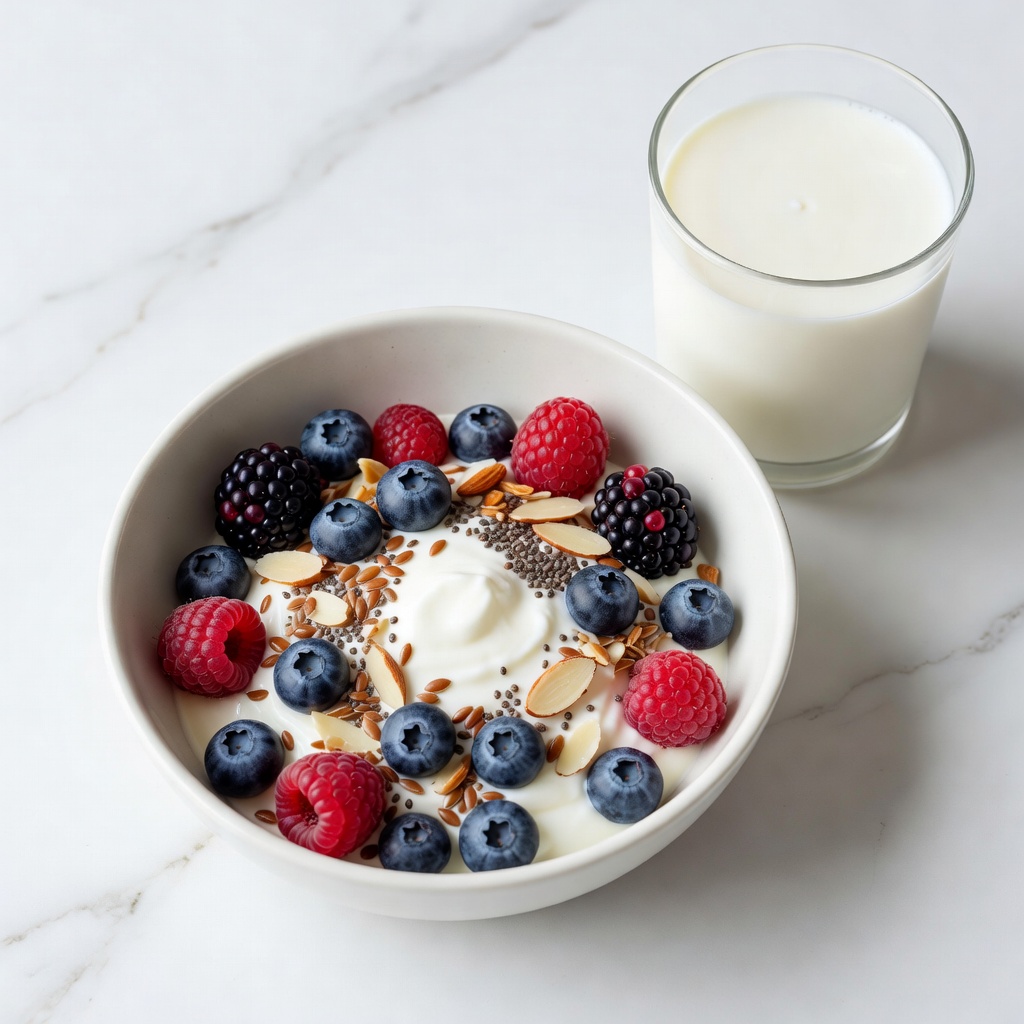
Breakfast: Greek yogurt with berries and chia seeds + a glass of fortified oat milk
Lunch: Salmon salad with kale, edamame, and sesame dressing
Snack: A small handful of almonds and a clementine
Dinner: Stir-fried tofu with broccoli and brown rice
Evening: A small glass of warm milk or fortified plant milk
You don't have to overhaul your entire diet overnight. Start by adding one calcium-rich food to each meal and getting outside for 15 minutes of sunlight daily. Small, consistent changes add up to powerful protection.
